


Need to talk to us in Chinese? Call Us Now!



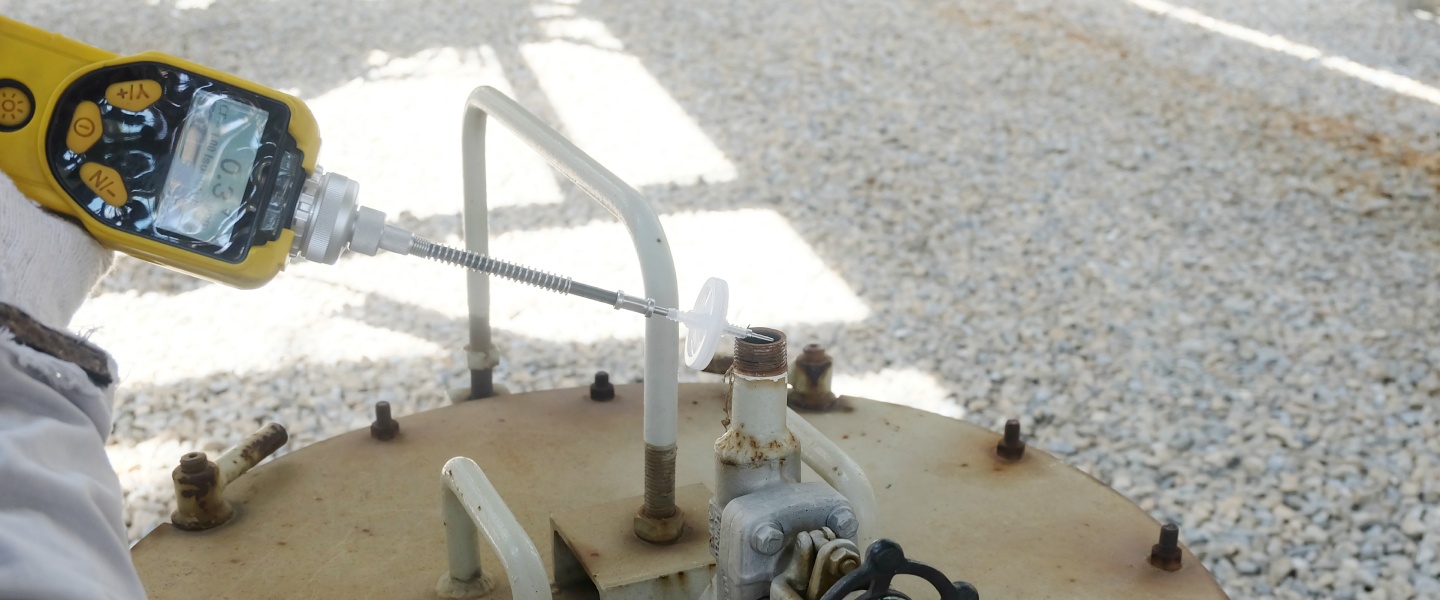
Volatile Organic Compounds (VOCs) Testing
Stay Healthy
Specializing in VOC Testing as a Chemical Testing Service in Brookeville, MD and Across the DMV Area
As a trusted chemical testing service, I offer Volatile Organic Compounds (VOCs) testing, a method crucial in detecting specific pollutants commonly found in solvents, paints, and numerous household items. These VOCs, when inadequately sealed or stored, can infiltrate the air, leading to health problems for those who inhale them.
These carbon-based chemicals readily evaporate at room temperature. Some VOCs emit a detectable scent, while others are odorless. It’s crucial to remember that odor doesn’t signify the risk level associated with inhaling these chemicals. Generally, indoor VOC levels surpass those outdoors, with the concentration dependent on various factors.
Exposure to any chemical poses health risks, which depend on the exposure amount, duration, and frequency. Short-term exposures typically last from hours to days, while long-term exposures range from years to lifetimes. Prolonged inhalation of low VOC levels can lead to health issues, particularly in people with asthma or heightened chemical sensitivity. Prevent such situations by requesting VOC air test services. With over a decade of experience, I’ve proudly served both residential and commercial clients in Brookeville, MD, and the wider DMV area.
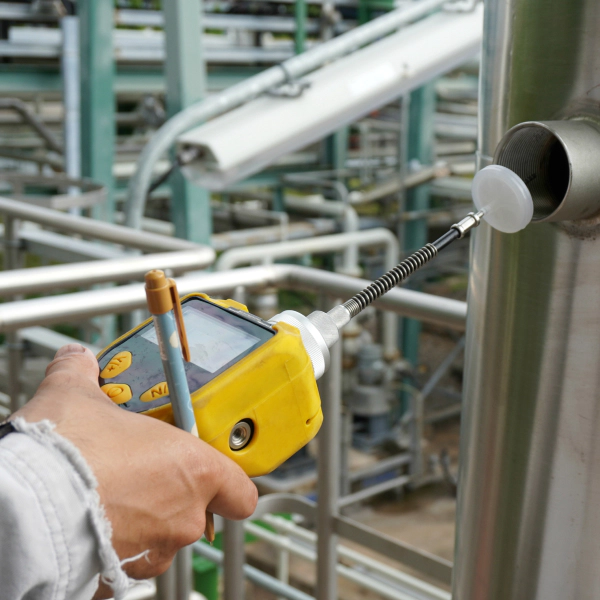

Identify VOCs in Your Home or Commercial Space
Determine the VOC Presence in Your Property
Here to Serve You
Individuals with respiratory issues, the elderly, young children, and those with chemical sensitivities are more prone to VOC impact.
Minimizing exposure to VOC-containing products and materials is paramount for health protection. If you’re experiencing persistent symptoms, it might indicate VOC-related health problems, and consulting a doctor to eliminate other severe health conditions is advised.
Although home TVOC screening kits can measure VOC levels, they are of limited use and do not address the problem. As a chemical testing service, my approach begins with inspecting your home to identify VOC sources. Following this, acetone test services, benzene test services, formaldehyde test services, and methylene chloride services are conducted to accurately identify the air’s compound composition.
Frequently detected VOCs include:
- Acetone
- Benzene
- Ethylene glycol
- Formaldehyde
- Methylene chloride
- Perchloroethylene
- Toluene
- Xylene
- 1,3-butadiene
If you wish to learn more about VOC testing in Brookeville, MD, or any other location in the DMV area, don’t hesitate to get in touch or peruse the common queries customers often pose.
VOCs FAQs
-
Many products we have in our homes release off-gas VOCs. I use the example of a new car smell. This is a type of VOC released by the materials in the car. Some common examples of sources of VOCs indoors are:
- Building Materials
- Carpets and adhesives
- Composite wood products
- Paints
- Sealing caulks
- Solvents
- Upholstery fabrics
- Varnishes
- Vinyl Floors
- Air fresheners
- Cleaning and disinfecting chemicals
- Cosmetics
- Fuel oil, gasoline
- Vehicle exhaust running a car in an attached garage
- Cooking
- Dry cleaning
- Non-electric space heaters
- Photocopiers
- Smoking
- Stored paints and chemicals
-
- Sensitive to odors
- Eye, nose, and throat irritation
- Headaches
- Nausea / Vomiting
- Dizziness
- Worsening of asthma symptoms
- Cancer
- Liver damage
- Kidney damage
- Central Nervous System damage
-
The ability of VOCs to cause health effects varies from those that are highly toxic to those with no known health effects. As with other pollutants, the extent and nature of the health effect will depend on many factors, including the level of exposure and the length of time exposed.
- Eye and respiratory tract irritation
- Headaches
- Dizziness
- Visual Disorders
- Memory Impairment
These are among the immediate symptoms that some people have experienced soon after exposure to certain VOCs. Many VOCs are known to cause cancer in animals; some are known to cause cancer in humans. It is important to consult with a medical professional for proper diagnosis. Children, the elderly, and those who are immune compromised are usually most affected by VOCs. Search EPA’s Integrated Risk Information System (IRIS)
-
How do I reduce the levels of VOCs in my home or business?
The most effective action is to remove the product that gives off VOCs. Most products containing VOCs will off-gas within a short period, although some will continue to give off VOCs for a longer period depending on the environment and product.
Some steps you can take to reduce your exposure to VOCs in the home are:
-
- Source control: Remove or reduce the number of products in your home that give off VOCs. Only purchase amounts of chemicals you know you will use and carefully follow directions on product labels. Remove unused chemicals from the home because stored chemicals in closed containers can sometimes ‘leak’ and release VOCs into indoor air.
For new items, consider purchasing:
- Floor models that have been allowed to off-gas in the store
- Solid wood items with low emitting finishes
- New products that contain low or no VOCs (environmentally preferable products)
-
- Ventilation and climate control can be used to reduce exposure to VOCs.
- Increase ventilation by opening doors and windows, using fans, maximize air brought in from outside
- Keep the temperature and relative humidity as low as possible or comfortable. Chemicals will off-gas more under warmer conditions with high humidity.
- If you have a choice, perform renovations when a home is unoccupied or during seasons that will allow for additional ventilation.
-
Get In Touch
Ensure that you breathe clean air inside your property. Call (301) 379-1715 or fill out the form to request my services.

