
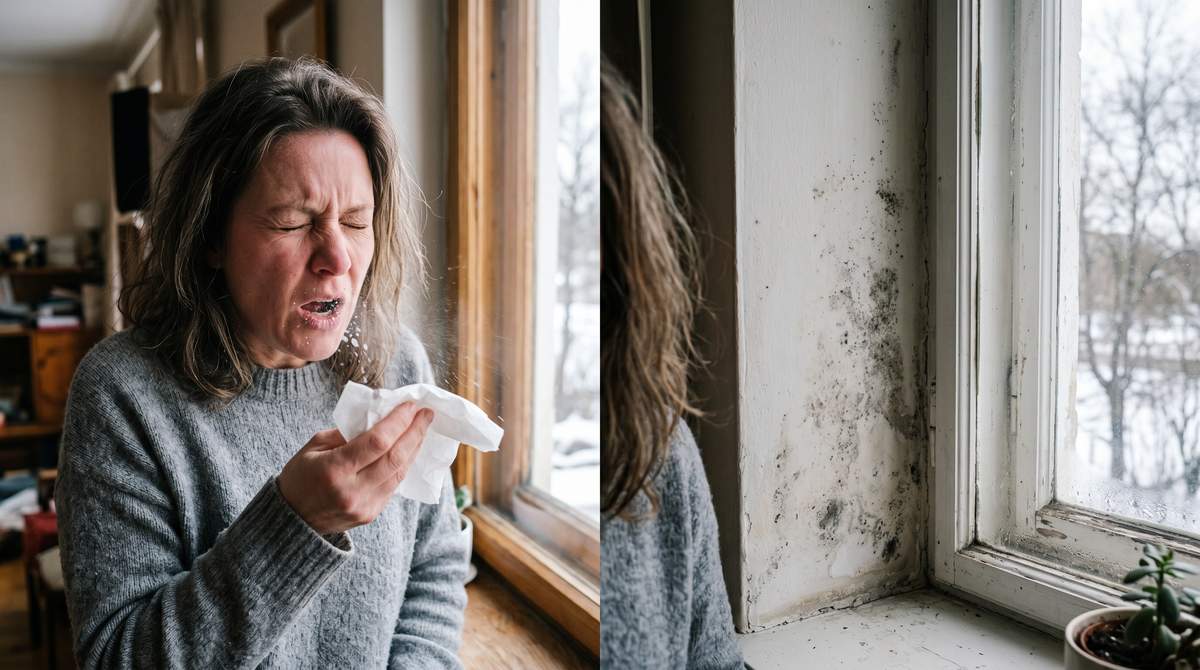
Mold Allergy vs. Mold Illness: Understanding the Difference
When people experience health symptoms they associate with mold in their home, two distinct conditions are often conflated: mold allergy and mold illness. These are meaningfully different in their mechanism, severity, diagnostic approach, and treatment. Understanding the distinction helps you make better decisions about both your health and your home’s air quality.
What Is Mold Allergy?
Mold allergy is an immunological response: the immune system incorrectly identifies mold spores as a threat and produces IgE antibodies, triggering the release of histamine and other inflammatory chemicals. Mold allergy symptoms typically include sneezing, runny nose, nasal congestion, itchy and watery eyes, and sometimes asthma-like wheezing. These symptoms occur rapidly — often within minutes of mold spore exposure — and resolve relatively quickly once the person leaves the exposure environment. Mold allergy is highly dose-dependent: higher spore counts cause more severe reactions.
According to CDC Mold Basics, mold allergy can be diagnosed through skin prick testing or blood-based specific IgE testing by an allergist. It is a common condition affecting an estimated 10% of the general population, with higher prevalence among individuals who already have other environmental allergies such as hay fever.
What Is Mold Illness?
Mold illness — more formally described as Chronic Inflammatory Response Syndrome (CIRS) or biotoxin illness — is a fundamentally different condition. Rather than an immune overreaction to spores themselves, it is a systemic inflammatory response triggered by mycotoxins: toxic chemical compounds produced by certain mold species. The NIEHS mold research program has identified that some individuals lack the genetic ability to efficiently clear mycotoxins from their bodies, making them disproportionately susceptible to chronic exposure effects.
Toxic mold symptoms associated with CIRS are significantly more diverse and debilitating than typical allergy symptoms, and they do not resolve quickly with removal from the environment. They include: profound fatigue and post-exertional malaise, cognitive impairment (brain fog, word loss, memory problems), joint and muscle pain, temperature dysregulation, sleep disturbances, mood changes, and sensitivity to light and sound. Many patients with undiagnosed CIRS spend years pursuing treatments for other conditions — fibromyalgia, chronic fatigue syndrome, anxiety disorder — without identifying the underlying environmental cause.
Key Differences at a Glance
- Mechanism: Allergy = IgE immune response to spores; Illness = inflammatory response to mycotoxins
- Onset: Allergy symptoms appear within minutes; illness symptoms develop gradually over weeks to months
- Resolution: Allergy improves quickly after leaving exposure; illness symptoms persist and may worsen for weeks after removal
- Affected species: Allergy triggered by many common molds; illness primarily associated with toxigenic species (Stachybotrys, Aspergillus, Chaetomium)
- Diagnosis: Allergy via allergist skin/blood tests; illness via clinical assessment and genetic testing for biotoxin susceptibility
The Role of Air Quality Testing
Whether you suspect mold allergy or mold illness, professional mold testing is the essential first step in confirming your home’s role in your health symptoms. Air sampling identifies both the total airborne spore count (relevant for allergy) and the specific mold species present (critical for identifying toxigenic molds that drive illness). Professional allergen air testing can simultaneously screen for mold spores, dust mite allergens, and pet dander — providing a comprehensive picture of your home’s airborne triggers in a single sampling session.
Frequently Asked Questions
Can I have both mold allergy and mold illness at the same time?
Yes. Individuals who are both allergically sensitized to mold and genetically susceptible to mycotoxin illness can experience both conditions simultaneously. This typically produces a more severe and complex symptom picture than either condition alone.
Does mold allergy get worse over time?
Repeated mold exposure can increase sensitization, making reactions more severe with subsequent exposures. Removing the mold source from the home is the most effective intervention for long-term allergy management — antihistamines manage symptoms but do not address the underlying exposure.
Can children develop mold illness, not just mold allergy?
Yes. Children exposed to water-damaged buildings have shown measurable inflammatory and cognitive effects consistent with CIRS. The genetic susceptibility that underlies mold illness is present regardless of age. Children’s developing immune systems and neurological systems may make them particularly vulnerable to the effects of mycotoxin exposure.
What mold species are most likely to cause illness versus allergy?
Cladosporium and Alternaria are the most common allergy-triggering molds. Stachybotrys chartarum (black mold), Aspergillus (particularly certain strains), and Chaetomium are the species most associated with mycotoxin production and illness. Species identification from a lab report is a critical data point your physician needs to assess your specific risk profile.
Need to know what mold species are in your home’s air? Call DMV Mold at (301) 379-1715 or contact us via our contact page for professional air quality testing across DC, MD, VA, and PA.