
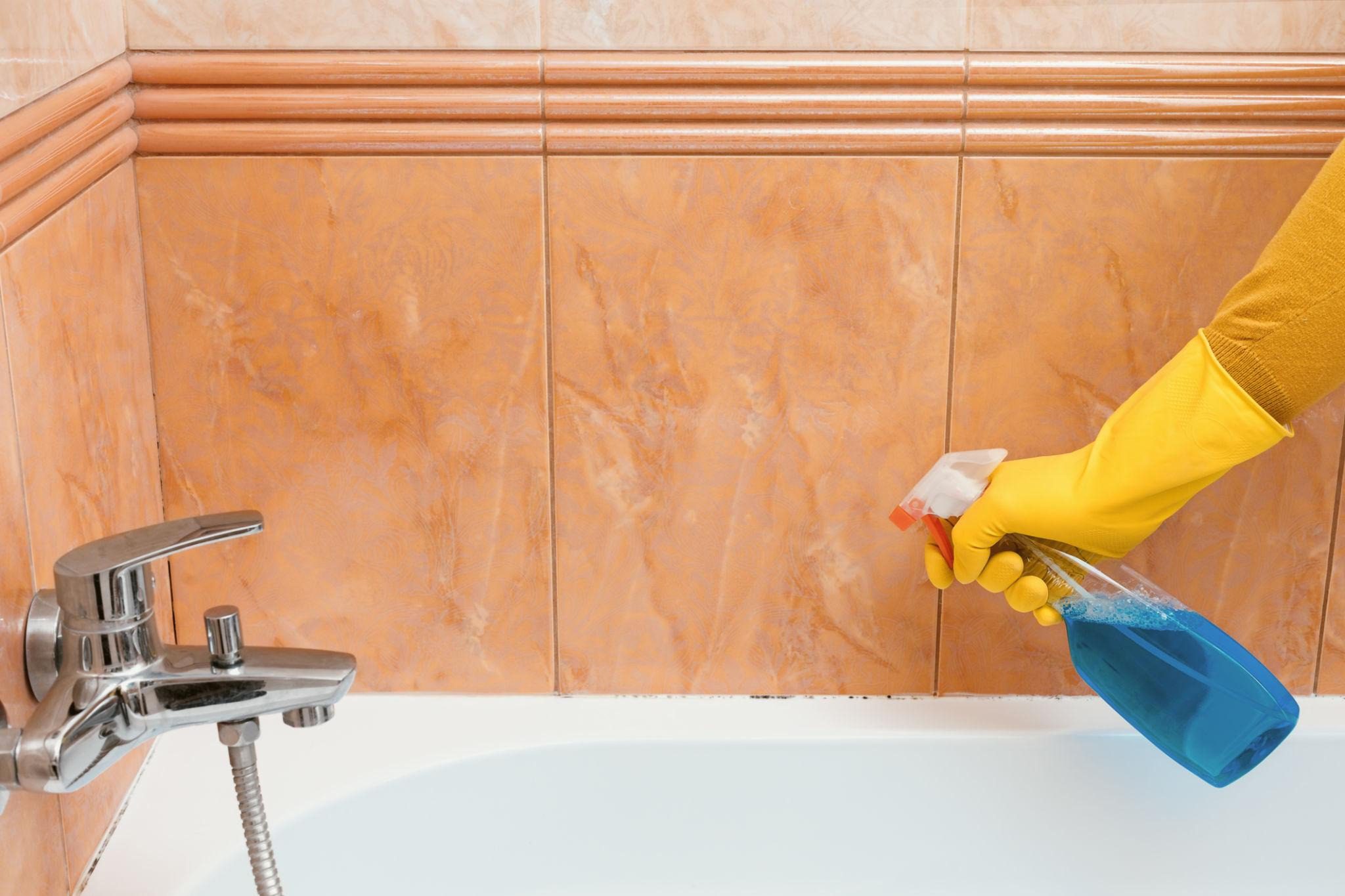
Bathrooms are among the most mold-prone rooms in any home. Warm temperatures, frequent moisture from showers and baths, steam, and limited airflow create consistently damp conditions on ceilings, walls, grout lines, caulking, and concealed surfaces. Left unchecked, bathroom mold can spread behind walls, under flooring, and into adjacent spaces — far beyond what is visible on the surface.
Understanding why bathroom mold develops, where it hides, and when to schedule a professional mold inspection is the best way to protect your home and indoor air quality.
Why Bathrooms Are Prone to Mold Growth
Every shower or bath releases significant humidity into a typically small, enclosed space. If that moisture is not exhausted quickly, surfaces remain damp for extended periods — an ideal environment for mold. Contributing factors include:
- Daily steam and elevated humidity from showers and baths
- Poor or absent ventilation fans
- Leaking fixtures, supply lines, or wax seals
- Damp towels and bath mats left on floors or walls
- Water trapped around tub and shower enclosures
- Condensation collecting on walls, ceilings, and mirrors
- Infrequent cleaning of grout, caulk, and corner areas
Even small, slow moisture issues — a dripping faucet, a pinhole pipe leak, or slightly compromised caulk — can become ongoing mold problems over weeks and months. According to the U.S. EPA, mold only needs a damp surface and an organic material to establish growth.
Where Bathroom Mold Commonly Appears
Visible Surface Areas
- Shower and tub grout lines
- Caulking around tubs, showers, and sinks
- Ceiling corners and the upper walls near the shower
- Window frames and sills where condensation collects
- Behind and underneath toilets
- Around sink bases and drain areas
Hidden or Concealed Areas
- Behind drywall near plumbing penetrations or leaking fixtures
- Under flooring, especially near tubs and showers
- Behind vanity cabinets and beneath sinks
- Inside wall cavities adjacent to wet areas
- Around shower pan liners and beneath tile
If bathroom mold keeps returning after surface cleaning, there is likely a hidden moisture source driving ongoing growth — a situation where a professional mold inspection can identify the root cause rather than just addressing symptoms.
Signs of Bathroom Mold
Persistent Musty Odor
A damp, earthy smell that lingers even after the bathroom is clean and dry may indicate mold growing in concealed areas. Mold produces microbial volatile organic compounds (MVOCs) that create this characteristic odor even when no growth is visible.
Dark Spots or Staining on Surfaces
Black, green, brown, or orange spots on grout, caulk, tile, drywall, or ceilings are classic signs of mold or mold-related moisture damage. Learn more about types of mold that commonly appear in bathrooms, including black mold.
Peeling Paint or Bubbling Drywall
When moisture becomes trapped behind painted surfaces, paint begins to lift, bubble, or peel. This often indicates water intrusion or condensation accumulating inside the wall — conditions that strongly support mold growth.
Heavy Condensation on Surfaces
Mirrors, ceilings, and walls that remain wet long after showers end may signal a ventilation problem. Poor moisture removal keeps surfaces damp and raises the risk of mold establishing itself over time.
Mold That Returns After Cleaning
Surface mold cleaned with bathroom sprays will return quickly if the underlying moisture source is not resolved. Recurring bathroom mold is a strong indicator that a structural or plumbing issue needs professional evaluation.
How to Prevent Bathroom Mold
Use the Exhaust Fan Every Time
Run the bathroom exhaust fan during every shower or bath and keep it running for at least 20–30 minutes afterward. The CDC recommends adequate ventilation as one of the primary strategies for preventing indoor mold growth.
Improve Airflow in the Room
Open the bathroom door after showering when privacy allows, and open a window when outdoor humidity is lower than indoor humidity. Better air circulation speeds drying of all surfaces.
Dry Surfaces After Every Use
Wipe down shower walls, doors, and countertops after bathing. A squeegee takes seconds and can substantially reduce the amount of moisture left on surfaces.
Fix Plumbing Leaks Immediately
Repair dripping faucets, running toilets, and loose fixture seals as soon as they are discovered. Even minor leaks introduce water behind walls and under flooring where mold can develop unseen.
Wash Towels and Bath Mats Frequently
Damp fabrics trap moisture and can develop mold of their own — particularly bath mats that remain wet on the floor between uses.
Maintain Grout and Caulk
Inspect caulk and grout around tubs, showers, and sinks annually. Cracks or missing sections allow water to penetrate behind tile, creating concealed mold-friendly conditions. Recaulk or regrout wherever integrity is compromised.
Monitor Bathroom Humidity
If the bathroom consistently feels humid even with the exhaust fan running, a portable dehumidifier can help lower moisture levels. If your indoor air quality is a broader concern, professional IAQ testing can provide a complete picture of your home’s moisture and air conditions.
When to Call a Mold Inspector
Some bathroom mold situations go beyond routine maintenance and require professional assessment. Consider scheduling a mold inspection if:
- Mold returns consistently within days or weeks of cleaning
- A musty odor persists even after the bathroom has been cleaned and dried
- You suspect hidden mold growth behind walls, under flooring, or inside wall cavities
- There was recent water damage from a fixture leak, toilet overflow, or flooding
- Ceiling staining or bubbling paint is spreading
- Household members are experiencing allergy symptoms or mold exposure symptoms indoors
Professional inspectors use moisture meters and thermal imaging to identify hidden moisture and mold sources that surface cleaning cannot reach. Review our mold inspection cost guide to understand pricing before you book.
Get Expert Help from DMV Mold
DMV Mold provides certified mold inspections, testing, and indoor environmental evaluations for homes throughout Brookeville, MD and the entire DMV area — including Washington D.C., Virginia, and Pennsylvania.
Call: (301) 379-1715
Email: tim@dmvmold.com
If bathroom mold keeps coming back, get clear answers from an experienced professional. Contact DMV Mold today to schedule your inspection.