
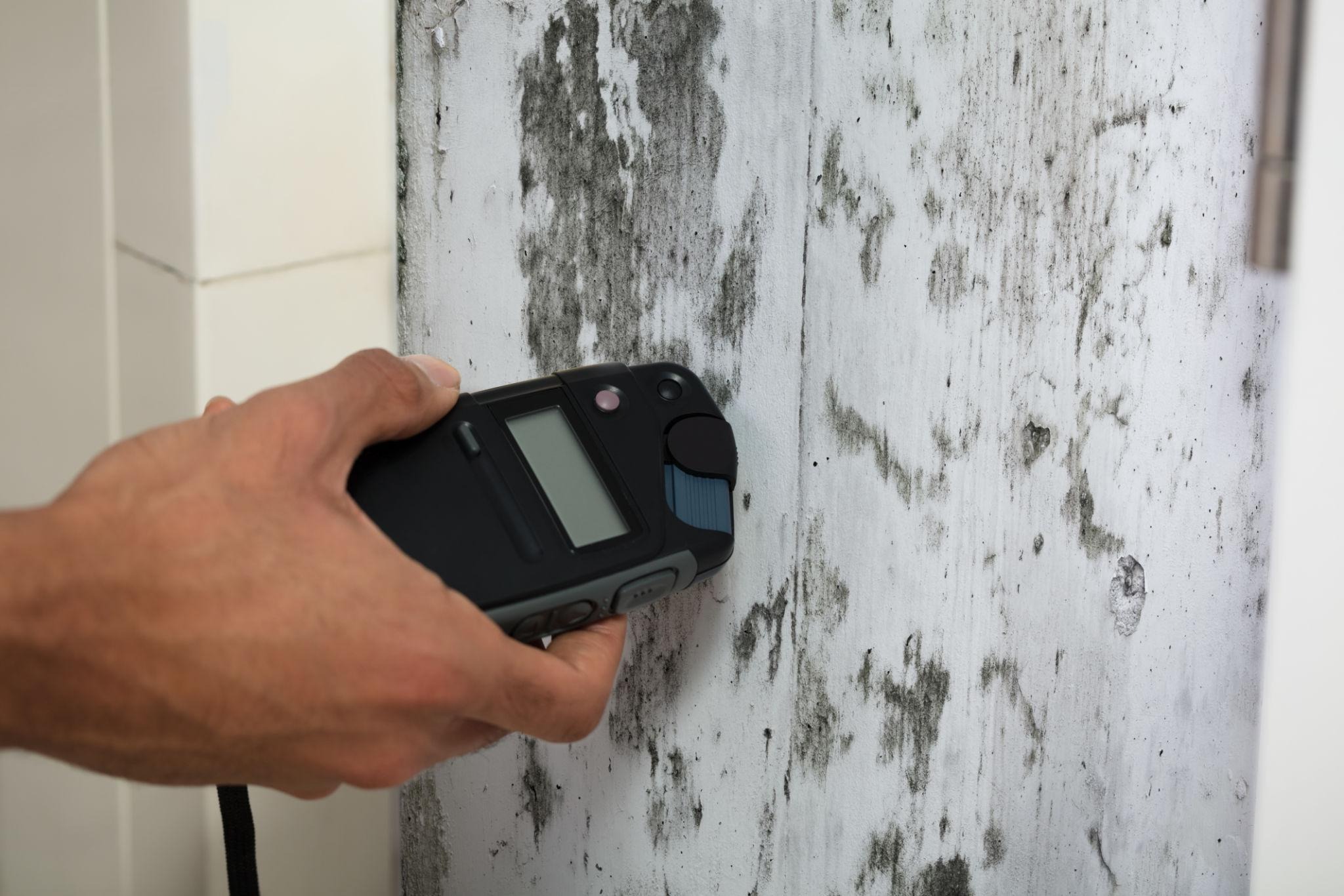
Basements are one of the most common areas in a home for mold growth. Because they sit below ground level, basements face persistent challenges: moisture intrusion through foundation walls, limited airflow, high humidity, and hidden damp areas that create ideal conditions for mold to establish and spread. If left unaddressed, basement mold can affect indoor air quality throughout the entire home, damage structural materials, and compromise stored belongings.
Understanding why basements are vulnerable, how to recognize warning signs, and when to schedule a professional basement mold inspection can help you protect your home and the people in it.
Why Basements Are High-Risk for Mold
Unlike upper floors, basements experience conditions that naturally favor mold: cooler temperatures, minimal sunlight, contact with soil and foundation moisture, and air that rarely circulates freely. Even a small, slow moisture source can support ongoing mold growth if conditions stay consistently damp.
Common causes of basement mold include:
- Foundation seepage and groundwater intrusion
- Heavy rain, flooding, or drainage problems near the home
- Plumbing leaks from supply lines, drains, or water heaters
- Condensation on cold pipes and basement walls
- Poor ventilation and limited air exchange
- High indoor humidity levels above 60%
- Past water damage that was not fully dried
- Damp carpet, padding, or organic storage materials
Because many of these issues develop slowly, mold can establish itself well before a homeowner notices anything unusual. The U.S. Environmental Protection Agency notes that mold can begin growing within 24–48 hours of a moisture event when conditions are favorable.
Common Signs of Basement Mold
Musty or Earthy Odor
A persistent earthy smell is often one of the earliest and most reliable warning signs of basement mold. Mold produces volatile organic compounds during its growth cycle, many of which have a distinctive damp, musty character. If the odor is present even after airing out the space, mold growth is likely somewhere in the basement.
Water Stains and Damp Walls
Discoloration, efflorescence, peeling paint, or consistently damp concrete are signs that water is moving through or condensing on your foundation walls. These conditions support mold growth on or behind finished wall surfaces.
Visible Mold Growth
Mold may appear as black, green, white, gray, or brown spots on drywall, wood framing, cardboard, fabric items, or ceiling tiles. Even small visible patches may indicate a larger hidden colony beneath the surface. Learn more about types of mold commonly found in homes, including black mold.
Warped or Damaged Building Materials
Swollen trim, soft drywall, buckling flooring, or damaged cardboard boxes all point to sustained moisture exposure. These materials are particularly susceptible to mold colonization.
Elevated Humidity
If the basement regularly feels damp or sticky, indoor humidity may be consistently above 60% — an environment where mold thrives. A hygrometer can help you monitor humidity levels over time.
Where Basement Mold Commonly Grows
Mold can develop on nearly any organic material found in basements. Frequently affected areas include:
- Drywall paper and gypsum board near the floor or exterior walls
- Wood framing, floor joists, and subflooring
- Carpet and carpet padding
- Cardboard boxes and stored fabrics
- Drop ceiling tiles and acoustic panels
- Around sump pump pits and floor drains
- Behind finished walls where moisture collects unseen
Finished basements present a particular challenge: mold can grow inside wall cavities or beneath flooring for months before any visible sign appears. This is why professional basement mold inspections often reveal problems that homeowners had no idea existed.
How Basement Mold Affects Your Home
Basements and living areas are not fully separated environments. Air from lower levels circulates upward through the home’s natural air movement and HVAC system. This means mold spores and moisture conditions in the basement can influence indoor air quality throughout every floor. For households with individuals who have allergies, asthma, or other sensitivities, this can be especially significant. Review our guide to symptoms of mold exposure to understand what elevated spore counts can mean for your family.
How to Prevent Basement Mold
Control Humidity
Use a dehumidifier to keep basement humidity between 30% and 50%. Empty and clean the reservoir regularly, or use a model with a direct drain connection.
Improve Drainage Outside the Home
Ensure gutters, downspouts, and yard grading direct water away from the foundation — not toward it. Downspout extensions should discharge at least six feet from the house.
Fix Leaks Promptly
Repair plumbing leaks, seal foundation cracks, and address any appliance leaks as soon as they are discovered. Delayed repairs allow moisture to saturate materials and support ongoing mold growth.
Increase Airflow
Use fans, open basement windows when outdoor humidity is low, and ensure HVAC return vents are not blocked. Good air circulation reduces the chance of moisture accumulating in corners and enclosed spaces.
Avoid Storing Wet or Damp Materials
Fully dry items before storing them in the basement. Replace cardboard boxes with sealed plastic bins and keep stored materials off the floor on shelving.
Use Moisture-Resistant Building Materials
When finishing or renovating a basement, use mold-resistant drywall, pressure-treated lumber, and vapor barriers designed for below-grade environments.
When to Schedule a Professional Inspection
DIY checks have limits. A certified inspector uses moisture meters, thermal imaging, and professional-grade sampling to identify problems that visual checks miss. Consider scheduling a professional basement mold inspection if:
- You notice a persistent musty smell in the basement or upstairs rooms
- Water entered the basement recently from flooding or a plumbing failure
- Visible mold keeps returning after cleaning
- Stored items show mildew, staining, or moisture damage
- Foundation walls feel damp or show efflorescence
- You are buying or selling a home with a basement
- You want to understand hidden moisture conditions before finishing the space
Review our mold inspection cost guide to understand what to expect before you book. The CDC recommends professional assessment when mold growth is suspected but not clearly visible.
Get Expert Basement Mold Help from DMV Mold
DMV Mold provides professional mold inspections, testing, and indoor environmental evaluations throughout Brookeville, MD and the entire DMV region — including Washington D.C., Virginia, and Pennsylvania.
Call: (301) 379-1715
Email: tim@dmvmold.com
If your basement smells damp, shows moisture damage, or has had any water intrusion, get trusted answers from a certified mold inspection specialist. Contact us today to schedule your inspection.