
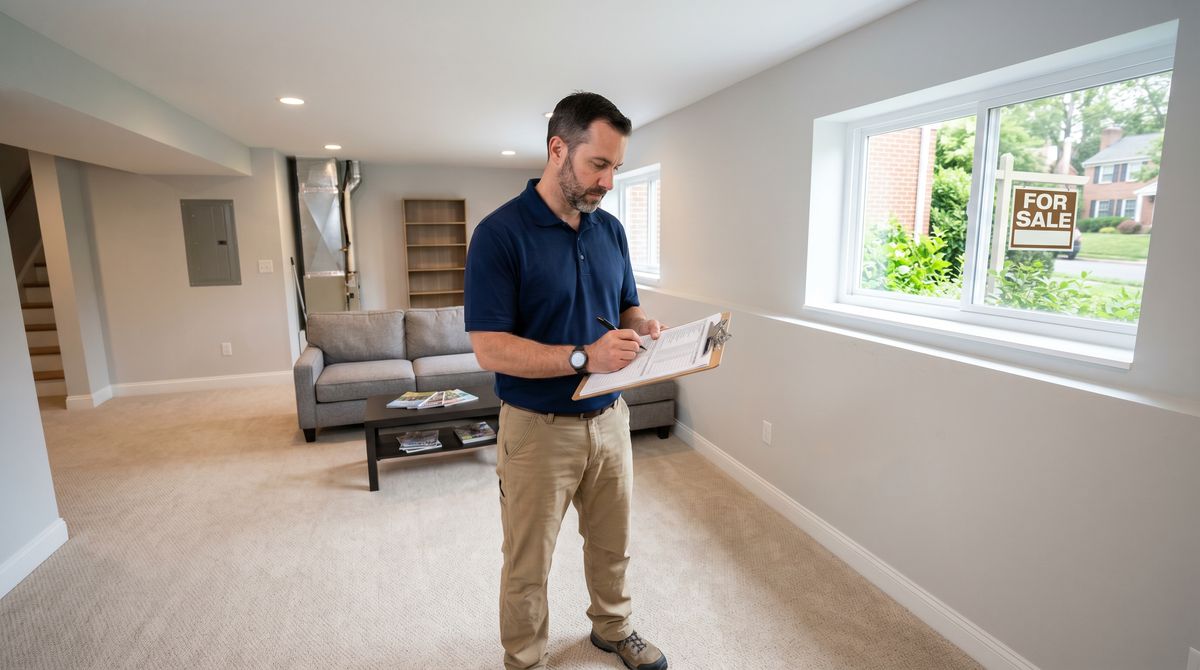
Why Homebuyers in DC Need a Mold Inspection Before Closing
Purchasing a home in Washington, DC involves layers of due diligence: title searches, structural inspections, radon tests, and lead paint disclosures. Yet one critical evaluation that most homebuyers skip — or assume is covered by their standard home inspection — is a dedicated mold inspection. That gap can result in discovering a significant mold problem after closing that the seller had no obligation to disclose if they were genuinely unaware of it.
What a Standard Home Inspection Does Not Cover
General home inspectors are trained to identify structural defects, electrical hazards, plumbing issues, and HVAC problems. Most are not certified environmental inspectors and do not carry the specialized equipment needed to detect or quantify mold. A standard inspection report will note visible water staining or obvious surface discoloration, but it will not include air sampling, moisture mapping, or laboratory analysis of suspected growth. The result is that hidden mold — growing inside wall cavities, under flooring, or in crawl spaces — routinely passes undetected through a standard home inspection.
DC’s Unique Mold Risk Profile
Washington, DC presents a specific set of mold risk factors that homebuyers must understand before purchasing:
- A significant proportion of the housing stock consists of pre-war row homes with brick construction and block foundations lacking modern waterproofing
- Georgetown, Capitol Hill, and Logan Circle neighborhoods include homes over 100 years old with original plumbing that has experienced decades of small leaks
- Many DC properties have partially or fully finished basements that were renovated without proper vapor barriers
- The city’s combined sewer system can cause basement flooding during heavy rain events — a fact that may not appear in seller disclosures
Our mold inspection services in Washington, DC are specifically calibrated to the construction types and climate conditions of DC’s diverse neighborhoods.
What a Pre-Purchase Mold Inspection Includes
A dedicated pre-purchase mold inspection conducted by a certified mold inspector goes well beyond visual assessment. The inspector performs a full moisture mapping of basement, crawl space, and attic areas, collects air samples from multiple rooms, examines HVAC components, and tests any water-damaged or suspect surfaces. Results are delivered in a written report with laboratory data that can be used to negotiate remediation credits, request price reductions, or — if the findings are serious enough — exit the purchase contract during the contingency period.
A professional real estate mold inspection can be completed in two to three hours. Results, including laboratory analysis, are typically available within five business days — comfortably within most inspection contingency windows in DC’s competitive market.
How to Use Mold Findings in Negotiations
If a pre-purchase inspection finds elevated mold spore counts or active growth, buyers have several strategic options under DC real estate contract contingencies:
- Request a price reduction equivalent to the estimated remediation cost
- Ask the seller to complete professional remediation with documentation before closing
- Negotiate a credit to be applied at closing to fund post-purchase remediation
- Terminate the contract without penalty if mold findings meet the contract’s deficiency threshold
The EPA mold guidance recommends that visible mold areas larger than ten square feet be remediated by a professional — a standard that provides a clear threshold for contract negotiations. For mold testing for homebuyers, having a written lab report from a certified inspector carries far more weight in negotiations than a general home inspector’s note that staining was observed.
Frequently Asked Questions
Can I schedule a mold inspection during my inspection contingency period?
Yes — and we recommend doing so. Most DC purchase contracts allow 10 to 15 days for inspections. Schedule your mold inspection at the same time as your general home inspection to ensure results arrive before your contingency deadline.
What if the seller refuses to allow a mold inspection?
A seller who refuses access for a mold inspection during the contingency period is a significant red flag. Review your contract terms — most standard DC contracts grant buyers reasonable access for all inspections. Consult your agent and attorney if access is denied.
Does DC require sellers to disclose mold?
DC’s seller disclosure requirements address known material defects, which includes known mold conditions. However, sellers cannot disclose what they do not know — which is precisely why an independent inspection is essential. Do not assume seller disclosure protects you from discovering mold post-closing.
How much does a pre-purchase mold inspection cost in DC?
A professional pre-purchase mold inspection including air sampling and laboratory analysis typically costs between $299 and $499 in the DC Metro area, depending on property size and the number of samples collected. This is a fraction of the cost of post-purchase remediation, which can run $3,000 to $20,000 or more for extensive growth.
Buying a home in DC? Schedule your pre-purchase mold inspection with DMV Mold at (301) 379-1715 or via our contact page. Results delivered before your contingency expires — guaranteed.